How Canadians Are Using Bitcoin to Gamble Online in 2026: A Practical Guide to a Safe and Legal Bitcoin Casino Canada Option

I've watched online gambling habits shift quite a bit over the past few years, but nothing has changed the conversation among Canadian players quite like Bitcoin. In 2026, it's not a niche curiosity anymore. Wider crypto adoption across the country, a growing number of licensed platforms accepting BTC, and a real appetite for faster, more private payment methods have pushed Bitcoin gambling into the mainstream. If you're a Canadian wondering how to do this safely and within the bounds of the law, this guide walks through exactly what you need to know before you deposit a single satoshi.
What Is Bitcoin Gambling and Why Canadians Are Turning to It
At its core, Bitcoin gambling just means using BTC instead of Canadian dollars to fund your casino account, place bets, and cash out winnings. You buy Bitcoin, send it to your casino wallet, play slots or table games or sports bets, and withdraw back to your wallet when you're done. The mechanics aren't complicated once you've done it a couple of times.
What's pulling Canadian players toward it is pretty practical. Transactions settle faster than a lot of traditional banking options, fees tend to be lower, and you're not restricted by the usual cross-border friction that comes with credit cards or e-transfers when playing on offshore sites. There's also a privacy angle plenty of players appreciate: your bank statement doesn't show a line item for every casino deposit.
Bitcoin vs. Traditional Payment Methods
Interac e-transfers are still the default for a lot of Canadian gamblers, and they work fine, but they can take anywhere from a few minutes to a full business day depending on the bank and the casino's processing queue. Credit cards are fast on deposit but withdrawals back to a card can take three to five business days, and some Canadian banks flag or block gambling transactions outright. E-wallets like Skrill or Neteller sit somewhere in the middle.
Bitcoin, by comparison, usually clears deposits within 10 to 30 minutes depending on network congestion, and withdrawals from reputable casinos often process same-day. Fees are typically a flat network cost rather than a percentage cut, which matters more the bigger your bankroll gets.
Is Bitcoin Gambling Legal in Canada in 2026?
This is the question I get asked most, and the honest answer is a bit layered. There's no federal law banning Canadians from gambling with cryptocurrency on offshore-licensed sites. Canada's Criminal Code restricts operating a gambling business without a provincial license, but it doesn't criminalize individuals who play on platforms licensed elsewhere. That's why the vast majority of Canadian Bitcoin gamblers play on sites regulated out of jurisdictions like Malta or Curaçao rather than domestic operators.
Ontario is the exception worth noting. Since opening its regulated iGaming market, Ontario requires operators serving its residents to hold a provincial license through iGaming Ontario. Outside Ontario, provinces generally leave the door open for residents to use properly licensed offshore platforms, which is where most Bitcoin casino activity in Canada actually happens.
Licensing Bodies to Look For
Not all licenses carry the same weight, so it's worth knowing the names that actually mean something:
- Malta Gaming Authority (MGA) — one of the stricter regulators, with solid player protection requirements and regular audits.
- Curaçao eGaming — widely used by crypto casinos, recently restructured under a new licensing framework that tightened oversight.
- Kahnawake Gaming Commission — based in Quebec, this one has deep roots in Canadian online gambling and is respected for its track record with payout disputes.
A license from any of these doesn't guarantee a perfect experience, but it does mean there's a regulatory body you can escalate a complaint to if something goes wrong.
How to Choose a Safe and Reliable Bitcoin Casino Canada Platform
This is where most of the actual decision-making happens, and it's worth slowing down here instead of rushing to the first site with a flashy welcome bonus. A few things I always check before trusting a platform with my BTC:
- Licensing — confirm it's current and verifiable, not just a logo pasted in the footer.
- Game provider reputation — look for recognizable names like Pragmatic Play, Evolution, or NetEnt rather than unknown in-house software.
- Withdrawal speed — read recent player reviews specifically about crypto cashouts, not just deposits.
- Customer support — test live chat before you deposit. Slow or evasive responses are a bad sign.
- Transparent terms — wagering requirements and withdrawal limits should be stated plainly, not buried in a separate crypto-specific clause.
For Canadian players comparing platforms, resources like this bitcoin casino canada guide break down vetted options by licensing, payout speed, and game selection, which helps narrow the search to sites that have actually earned some trust rather than just paid for ad placement.
Red Flags to Watch Out For
A few warning signs have saved me from bad experiences more than once: operators with no license information anywhere on the site, vague or missing terms around crypto withdrawal limits, a pattern of unresolved complaints on independent forums, and bonus offers that promise returns no legitimate business model could sustain. If a site is cagey about any of these, that's your answer.
Setting Up and Funding Your Bitcoin Casino Account
Getting set up isn't complicated, but doing it in the right order saves headaches. Start by setting up a wallet, either a software wallet for convenience or a hardware wallet if you plan to hold larger amounts. Next, buy Bitcoin through a Canadian exchange such as Bitbuy, NDAX, or Coinbase, all of which support CAD deposits via Interac or wire transfer.
Once you've got BTC in your wallet, transfer it to the casino's deposit address, double-checking the address before confirming since crypto transactions can't be reversed. Deposits usually need one to three network confirmations before funds show up in your casino balance, which on Bitcoin's network typically takes 10 to 30 minutes. Withdrawals vary more by casino policy than by the blockchain itself, so check the stated processing window before you commit to a platform.
Staying Safe — Security and Responsible Gambling Tips
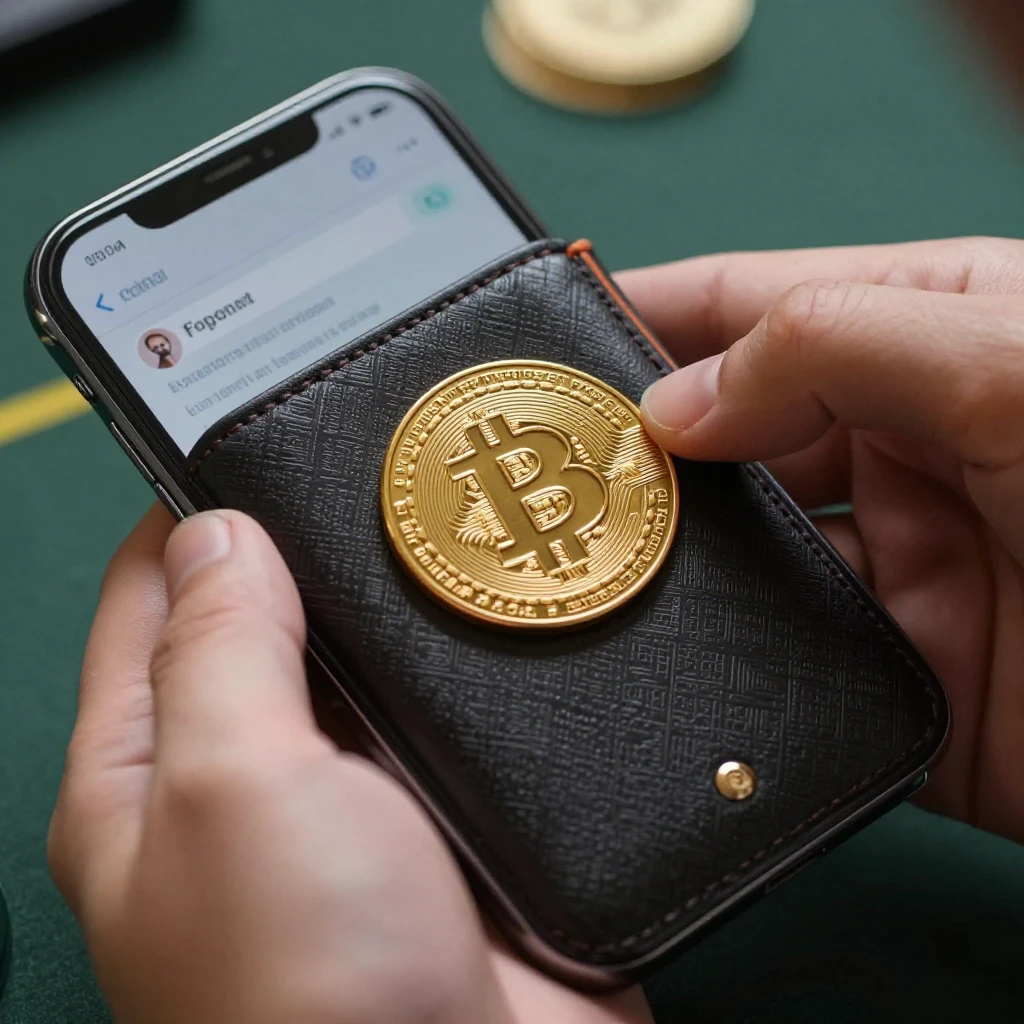
Security habits matter more with crypto than with a bank-backed payment method, because there's no chargeback safety net. Enable two-factor authentication on both your wallet and your casino account. If you're holding a meaningful amount of Bitcoin, keep the bulk of it in cold storage and only move what you plan to play with into a hot wallet. Watch for phishing attempts, especially fake casino emails asking you to 'verify' your wallet by entering a seed phrase. No legitimate platform will ever ask for that.
On the responsible gambling side, set deposit and loss limits before you start playing, not after a rough session. Most licensed casinos have built-in tools for this, and organizations like the Responsible Gambling Council offer free resources for Canadians who want support managing their play.
Common Mistakes Canadian Bitcoin Gamblers Make
A few patterns show up again and again among players new to this. Ignoring withdrawal limits until it's time to cash out a big win, only to find out the daily cap is a fraction of the balance. Chasing bonus offers on unverified sites just because the match percentage looks good. Not accounting for Bitcoin's price swings against their bankroll, which means a $200 deposit can be worth noticeably more or less by the time they withdraw. And overlooking the tax side: the CRA treats crypto as property, so gains realized through gambling transactions can carry tax implications worth discussing with an accountant familiar with crypto.
Bitcoin gambling genuinely offers Canadians something traditional payment methods can't match in 2026: speed, lower costs, and a level of privacy that's hard to replicate with a bank-linked method. But none of that matters if the platform you choose isn't licensed properly or handles crypto withdrawals poorly. Doing the homework upfront, sticking to regulated operators, and keeping basic security habits in place is really what separates a smooth experience from a frustrating one. Take the time to compare your options properly, and the rest tends to fall into place.
